Top 10 Benefits of Using a Reclining Wheelchair?
A Reclining Wheelchair can significantly enhance the mobility and comfort of individuals with limited mobility. These specially designed chairs offer a range of benefits that address various needs. For many users, the adjustable features of a reclining wheelchair provide much-needed relief.
Imagine having a chair that can adapt to your position. A reclining wheelchair allows users to shift from sitting to a reclining position easily. This flexibility is essential for those who may experience discomfort or fatigue during prolonged sitting. Additionally, it can aid in pressure relief, reducing the risk of sores for users who spend long hours in their wheelchairs.
Despite these advantages, there are considerations to keep in mind. Not all reclining wheelchairs are the same. Some may lack the necessary support or durability. Users should reflect on their specific needs when choosing a chair. A reclining wheelchair can be transformative, but careful selection is vital for achieving the best experience.
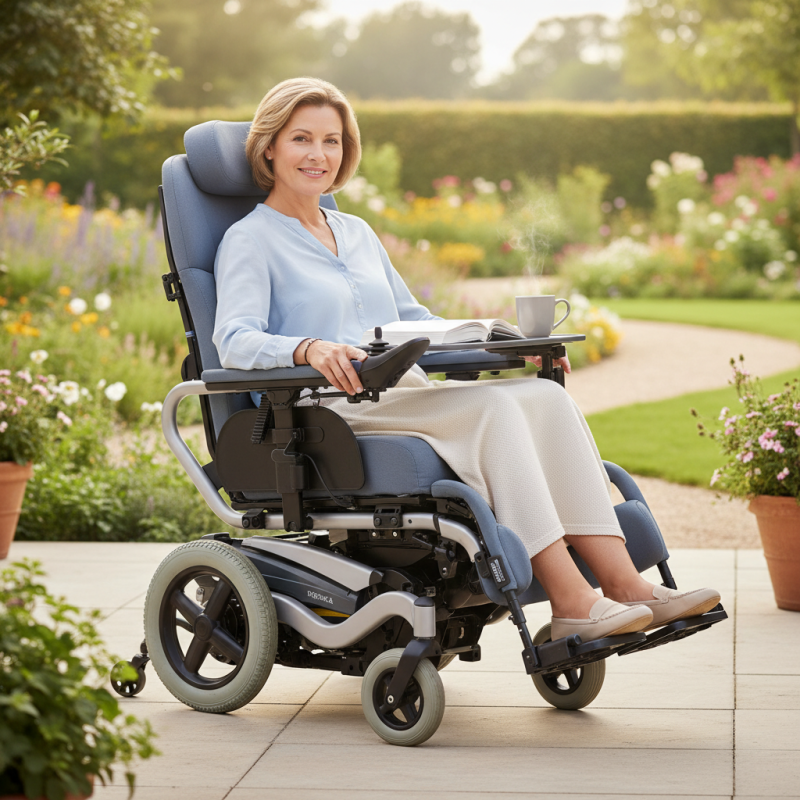
Benefits of Enhanced Comfort in Reclining Wheelchairs
Reclining wheelchairs offer unparalleled comfort for users. They provide the ability to adjust position easily. This flexibility is essential for those with limited mobility. Users can find relief from pressure sores or discomfort in specific areas. It also allows for better circulation, which is crucial for overall health.
In addition, reclining wheelchairs can improve posture. They support the spine in a relaxed manner, reducing strain. This adjustment can ease back pain during long periods of use. The ability to recline can also help users breathe easier. The angle change provides comfort and aids lung expansion.
However, it's important to consider the challenges. Some may find it hard to operate or adjust alone. Others may need assistance to make the most of these features. Regular maintenance can also be overlooked, leading to potential issues. Thoughtful consideration of these factors can enhance the experience significantly.
Top 10 Benefits of Using a Reclining Wheelchair
| Benefit | Description |
| Enhanced Comfort | Reclining wheelchairs provide a more comfortable seating position for users, reducing strain on the back and hips. |
| Pressure Relief | The reclined position helps distribute weight more evenly, minimizing the risk of pressure sores. |
| Improved Circulation | Reclining helps improve blood circulation, reducing the risk of swelling and blood clots. |
| Versatile Positioning | Users can adjust their position for various activities, enhancing overall usability. |
| Ease of Transfers | The reclining feature aids caregivers in transferring users, making it safer and easier. |
| Support for Respiratory Conditions | Reclining can help improve lung function for individuals with respiratory issues by allowing better airflow. |
| Enhanced Relaxation | Users can relax in a reclined position, which can help reduce stress and promote overall well-being. |
| Adaptability for Various Needs | Reclining wheelchairs can accommodate different health conditions and user preferences, making them highly adaptable. |
| Increased Independence | Users can adjust their wheelchairs independently to find the most comfortable and functional position. |
| Aesthetic Appeal | Many reclining wheelchairs come in various styles and colors, allowing users to express their personal style. |
Improved Posture and Spinal Health with Adjustable Positions
Adjustable reclining wheelchairs significantly enhance posture and spinal health. Research shows that maintaining proper alignment reduces back pain. In fact, a study from the American Physical Therapy Association reported that 60% of wheelchair users experience chronic back issues. By using a reclining wheelchair, individuals can shift their weight more evenly. This prevents pressure sores and encourages blood circulation—critical for long-term health.
Moreover, reclining positions allow for better trunk support. According to the National Institute of Health, approximately 45% of wheelchair users suffer from postural problems. A reclining wheelchair can help mitigate these issues by providing customizable angles. Users can adjust their position throughout the day, promoting comfort and reducing fatigue.
However, it's essential to recognize that not all users may adapt perfectly to this technology. Some may struggle with adjustments, feeling unstable or unsure. This calls for further user education and support. Surely, while reclining wheelchairs offer improved health benefits, individual experiences can vary greatly, emphasizing the need for tailored solutions.
Top 10 Benefits of Using a Reclining Wheelchair
This chart illustrates the top 10 benefits of using a reclining wheelchair, showcasing their scores based on observed improvements in various aspects of health and comfort.
Facilitation of Better Circulation and Reduced Pressure Sores
Reclining wheelchairs offer significant benefits for circulation and pressure sore prevention. By allowing users to recline, these wheelchairs promote better blood flow. Improved circulation brings oxygen and nutrients to vital organs. This can reduce fatigue and discomfort for long-term users.
Pressure sores can develop quickly in individuals with limited mobility. When sitting for extended periods, the body’s weight compresses certain areas. Reclining positions help shift weight and relieve pressure. Different angles provide comfort and encourage movement. When users change positions, they maintain skin integrity.
**Tip:** Regularly adjust your position to enhance circulation. Every 15 to 30 minutes, consider shifting your weight. A simple change can make a difference in skin health.
Another important aspect is the comfort provided by reclining features. Users may find it easier to relax or sleep. It also helps caregivers assist users effectively. However, some may struggle with the transition to a reclined position. Getting used to this feature can take time and practice.
**Tip:** Seek guidance from healthcare professionals when using a reclining wheelchair. They can provide tailored advice to maximize your experience. Small adjustments could lead to significant improvements in overall comfort and well-being.
Increased Independence and Mobility for Users
Reclining wheelchairs offer significant benefits for users seeking increased independence and mobility. These chairs allow users to recline comfortably, which can relieve pressure and enhance overall comfort. This feature is particularly helpful for those who spend extended periods in a wheelchair. It promotes better circulation and prevents issues like skin sores, empowering users to move around more freely.
One important tip for choosing a reclining wheelchair is to ensure it fits the user's body properly. Proper sizing can make a huge difference in comfort and support. Consider adjustable footrests and armrests for a customized experience. Users should also think about the wheelchair's weight and portability. A lighter chair may be easier to maneuver, increasing daily mobility.
While many users appreciate the independence a reclining wheelchair offers, it's essential to consider how it fits into a person's lifestyle. Some might find it challenging to navigate tight spaces. Others may struggle to transfer in and out of the chair. Regular practice can help improve these skills over time. Encourage users to explore their environment to gain confidence and find new places to enjoy.
Versatility in Usage for Various Activities and Environments
Reclining wheelchairs offer unique versatility, making them suitable for various activities and environments. Whether attending a family gathering or enjoying a sunny day in the park, these chairs adapt to individual needs. Users can recline back for comfort, reducing pressure on their bodies. The adjustable features allow for different seating positions, which is beneficial for both relaxation and socializing.
The design encourages participation in various activities. For instance, when users want to watch a movie or take a nap, they can easily adjust the chair. Many users find it ideal for enjoying outdoor events. However, navigating tight spaces may feel challenging. There are moments when accessibility issues arise, prompting a need for reflection on how to better accommodate everyone.
Outdoor environments can present difficulties too. Uneven surfaces might create a bumpy experience. Users should consider their surroundings when choosing to go out. While reclining wheelchairs provide comfort, they also demand awareness of space and access. Balancing the benefits with potential hurdles is key to ensuring an enjoyable experience.