What Are Medical Instruments and How Are They Used?
Medical instruments are tools designed to examine, measure, monitor, diagnose, treat, or support patient care. The U.S. Food and Drug Administration defines medical devices broadly, including instruments, machines, implants, and in vitro diagnostic products. Their purposes range from checking blood oxygen levels to guiding a surgeon during a procedure. A pulse oximeter clips onto a fingertip, while a surgical forceps may hold delicate tissue. Each device requires a specific method of use. Accuracy depends on calibration, user training, maintenance, and patient conditions. Technology alone cannot guarantee safe care.
The World Health Organization and UNICEF’s 2023 Joint Monitoring Programme report found that one in eleven healthcare facilities lacked basic water services in 2022. This finding matters because cleaning and reprocessing often begin with reliable water. The WHO Global Report on Infection Prevention and Control 2024 also identifies training, surveillance, and monitoring as essential safety practices. In practice, staff inspect an instrument, confirm its packaging, use it correctly, then clean or dispose of it according to approved procedures. Small errors can matter. A cracked cable, unreadable scale, or poorly sealed sterile package may change a clinical decision. This overview explains how medical instruments work across hospitals, laboratories, dental clinics, and home care. It should not replace a manufacturer’s instructions or professional training. Some instruments appear simple, but their risks are easy to underestimate. That is worth remembering.
Definition and Scope of Medical Instruments
What Are Medical Instruments and How Are They Used?
Definition and Scope of Medical Instruments
Medical instruments are tools, devices, software, or equipment used for healthcare purposes. They support diagnosis, monitoring, prevention, treatment, and rehabilitation. A sterile syringe, pulse oximeter, surgical clamp, and imaging scanner all belong to this broad field. Some instruments are simple and manual. Others depend on sensors, electricity, or specialized software.
The range is vast. The World Health Organization’s Global Atlas of Medical Devices identifies more than 2 million different medical device types. These devices fall into over 7,000 generic groups. This figure shows why “medical instrument” cannot mean only equipment found in an operating room. Home-use thermometers, laboratory analyzers, mobility aids, and implantable devices also fit within the scope. The United States Food and Drug Administration defines medical devices by their intended use, including diagnosis, cure, mitigation, treatment, or prevention of disease.
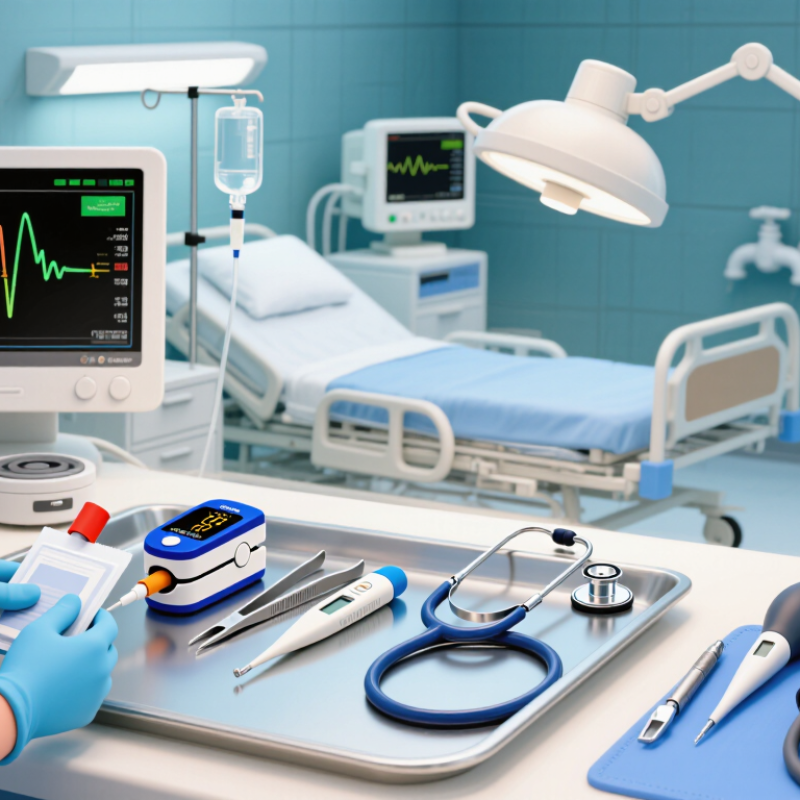
Usage depends on risk, setting, and user training. A nurse may check a patient’s oxygen level with a fingertip sensor. A radiographer may operate a complex imaging system under strict procedures. A technician may calibrate a laboratory analyzer before testing blood samples. Safety depends on correct selection, maintenance, cleaning, and interpretation. That boundary is blurry. Some digital tools appear harmless, yet poor data or unclear instructions can affect clinical decisions. In practice, definitions must keep evolving with technology, while professionals still need to question whether every instrument improves care.
Main Types and Classifications of Medical Instruments
What Are Medical Instruments and How Are They Used?
Main Types and Classifications of Medical Instruments
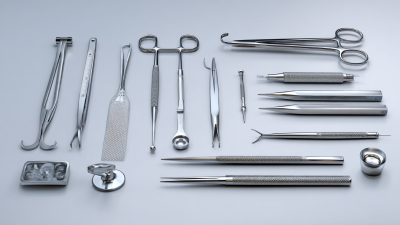
Medical instruments are tools used to examine, diagnose, monitor, prevent, or treat patients. A stethoscope supports physical assessment, while a pulse oximeter measures oxygen saturation at the bedside. Surgical forceps, scalpels, and retractors help clinicians handle tissue with controlled precision. The right instrument depends on patient risk, clinical purpose, and the user’s training.
A practical classification divides instruments by function. Diagnostic instruments collect information, including imaging systems, thermometers, and blood analyzers. Monitoring instruments track changing conditions, such as heart rhythm or blood pressure. Therapeutic instruments deliver treatment, including infusion pumps and surgical devices. Life-support instruments maintain essential functions during critical illness. Reusable instruments require cleaning, inspection, and sterilization. Single-use instruments reduce reprocessing demands but create more waste.
Risk-based classification is also important.
The U.S. Food and Drug Administration generally places devices into Class I, II, or III, reflecting increasing regulatory controls and patient risk. FDA materials commonly estimate that about 47% of devices are Class I, 43% Class II, and 10% Class III. The numbers can vary by database and classification updates. MedTech Europe’s 2024 facts report describes more than 500,000 medical technologies worldwide, showing why simple categories can become incomplete. A monitor may support diagnosis, treatment decisions, and remote care at once. That overlap deserves careful review.
How Medical Instruments Are Used in Healthcare
Medical instruments support diagnosis, treatment, and monitoring across clinics, operating rooms, and emergency departments. A thermometer records temperature; a stethoscope helps clinicians assess heart and lung sounds; sterile forceps let a surgeon handle tissue precisely. Their use depends on the task and the patient. Simple tools may be cleaned between uses, while instruments entering sterile tissue require sterilization. CDC’s Guideline for Disinfection and Sterilization in Healthcare Facilities distinguishes these levels of processing. The distinction matters. A clean-looking instrument is not necessarily safe to reuse.
In practice, staff inspect instruments for damage, select the correct device, and follow approved cleaning and reprocessing procedures. They also check packaging and indicators before opening sterile supplies. These steps help reduce infection risk, but they depend on consistent training and careful documentation. WHO’s 2022 Global Report on Infection Prevention and Control estimates that 7 in 100 patients in acute-care hospitals in high-income countries acquire at least one healthcare-associated infection; in low- and middle-income countries, the estimate is 15 in 100. These figures cover many causes, not instruments alone. Still, they show why handling matters. Under pressure, small steps can be missed. That deserves honest attention.
Safety Standards and Proper Handling Procedures
Medical instruments include scalpels, forceps, thermometers, and diagnostic scopes. Each has a specific purpose, but safe use begins before a procedure. Staff should inspect an instrument for cracks, corrosion, loose parts, or damaged insulation. A hinge that catches or a cable with exposed wiring needs attention, not a quick workaround. Follow the facility’s validated cleaning, sterilization, and maintenance procedures. The correct method depends on the instrument and its intended use. Keep clean items separate from used ones, and store them in a dry, protected area. Small mistakes matter.
Tips:
Wear the protective equipment specified for the task, and handle sharp instruments with the point directed away from people. Use designated trays rather than carrying loose tools by hand. Check labels and instructions before processing unfamiliar equipment. If an instrument is dropped, visibly damaged, or difficult to operate, remove it from service and report it. Do not assume that wiping a surface makes an instrument ready for reuse.
Safe handling also depends on training and clear communication. Confirm that the instrument is appropriate for the procedure, and pass it using an agreed method. During cleaning, avoid rushing through joints and textured surfaces where residue can remain. Record required inspections and maintenance accurately. Procedures can feel repetitive, and that is exactly when attention slips. It may be worth reviewing them regularly, especially after a near miss or equipment change.
Maintenance, Sterilization, and Technological Development
Medical instruments work reliably only when their care is consistent. After use, staff should remove visible soil promptly, following the instrument’s instructions and facility procedures. Hinges, joints, and narrow channels need particular attention; debris can remain where it is hard to see. Cleaning comes before sterilization. A cycle cannot reliably correct poor cleaning.
Sterilization methods depend on the instrument’s materials, design, and intended use. Trained staff select a validated process, check packaging, and confirm cycle records and indicators as required. Small details matter. A wet pack, damaged seal, or overloaded chamber may compromise the result. Instruments should be stored in clean, dry conditions and inspected before use. If something looks unusual, pause and ask.
Technology is changing both instruments and their maintenance. Some devices include delicate electronics, advanced coatings, or complex channels that require specific cleaning methods. Digital tracking can record processing history and help teams spot repeated problems. Still, software does not replace careful inspection. That part is human. Guidance may differ between devices, and busy teams can miss steps; regular training and clear checklists help, though they are not perfect. Reviewing procedures when equipment changes keeps care aligned with current instructions.