Essential Tips for Choosing the Right Surgical Instruments?
Choosing the right surgical instruments is vital for successful surgical procedures. Dr. John Matthews, a leading expert in surgical outcomes, stated, “The quality of instruments can greatly influence surgical precision.” This highlights the importance of carefully selected tools in the operating room.
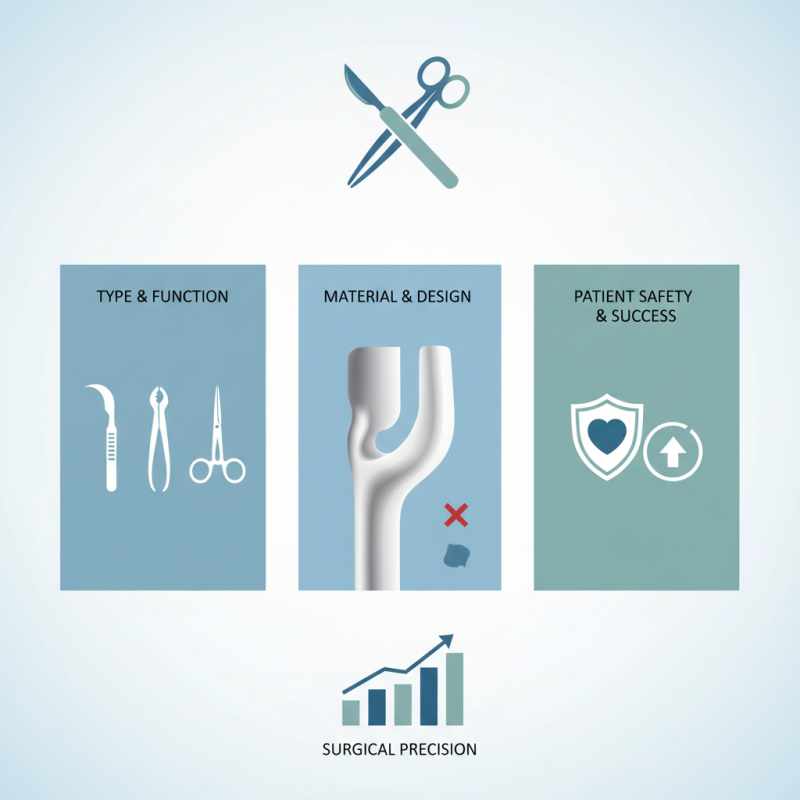
Surgical instruments come in various types. Each instrument serves a different purpose. One must assess their specific functions before making a choice. For instance, scalpels must be sharp for clean cuts. Forceps require a firm grip, essential for delicate tasks. These details matter significantly.
Moreover, the material and design impact instrument performance. Some instruments can rust or wear out quickly. This leads to potential complications during surgery. Reflecting on these factors is essential. Making informed decisions helps ensure patient safety and success in surgical outcomes.
Factors to Consider When Selecting Surgical Instruments
Choosing the right surgical instruments is crucial for successful outcomes. When selecting instruments, consider the type of procedure. Different surgeries demand specific tools. For instance, delicate procedures require precise instruments. Think about the materials as well. Stainless steel is durable, but some surgeons prefer lighter materials.
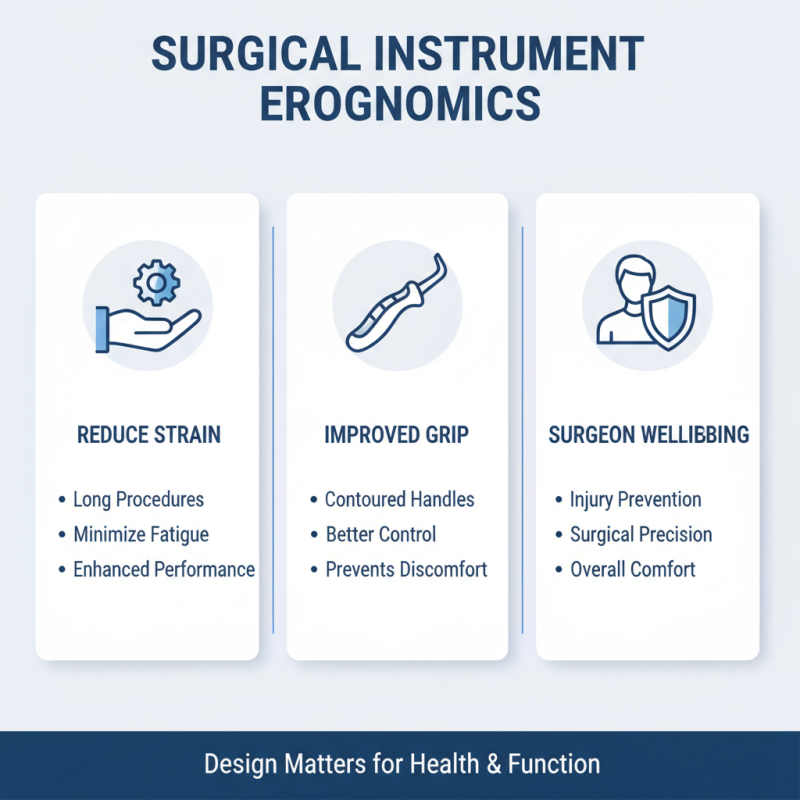
Another factor is the ergonomics of the instruments. Comfort during long procedures matters. Heavy or poorly designed tools can cause fatigue. This can affect performance. Check reviews, but remember, personal experience varies. Not all highly-rated instruments fit every surgeon's style.
Lastly, think about the cost. Quality instruments can be expensive, but they may save money in the long run. Consider durability and maintenance as well. Cheap instruments might wear out quickly. Balancing quality and budget can be challenging. Frequent assessments of instrument performance will help ensure you are making the right choices.
Essential Tips for Choosing the Right Surgical Instruments
Understanding Different Types of Surgical Instruments Available
When it comes to surgical instruments, variety matters. Understanding the types available is crucial. Surgical instruments can be broadly divided into categories such as cutting, grasping, and suturing tools. Each type has unique functions and specific uses. Cutting instruments, like scalpels and scissors, are designed to incise tissue precisely. Grasping instruments, including forceps and clamps, are essential for holding tissues during procedures. Suturing tools, such as needle holders, are key for stitching wounds.
Choosing the right instrument can be challenging. It’s vital to consider the material and design. Stainless steel is commonly used for its strength and resistance to corrosion. However, instruments can vary in quality. A poorly designed instrument may slip in your hand, causing problems during surgery. Less experienced practitioners might overlook this, leading to complications. Every instrument should feel balanced and comfortable. Test different options before settling on favorites.
Training and practice are essential when dealing with these tools. Familiarity builds confidence and efficiency. Yet, even seasoned professionals can make mistakes. Reflecting on past experiences with surgical instruments can lead to better choices in the future. Remember, not every tool suits every situation. Staying informed and adaptable is key in the operating room.
Essential Tips for Choosing the Right Surgical Instruments
| Instrument Type |
Common Use |
Material |
Maintenance Tips |
| Scissors |
Cutting tissues |
Stainless Steel |
Clean with a soft cloth after use |
| Forceps |
Grasping tissues |
Carbon Steel |
Sterilize regularly and inspect for rust |
| Scalpels |
Making incisions |
High Carbon Steel |
Replace blades as needed |
| Bipolar Forceps |
Electrical coagulation |
Insulated Material |
Ensure the electrical connections are secure |
| Hemostats |
Clamping blood vessels |
Stainless Steel |
Lubricate joints to ensure smooth operation |
Evaluating Material Quality and Durability of Surgical Tools
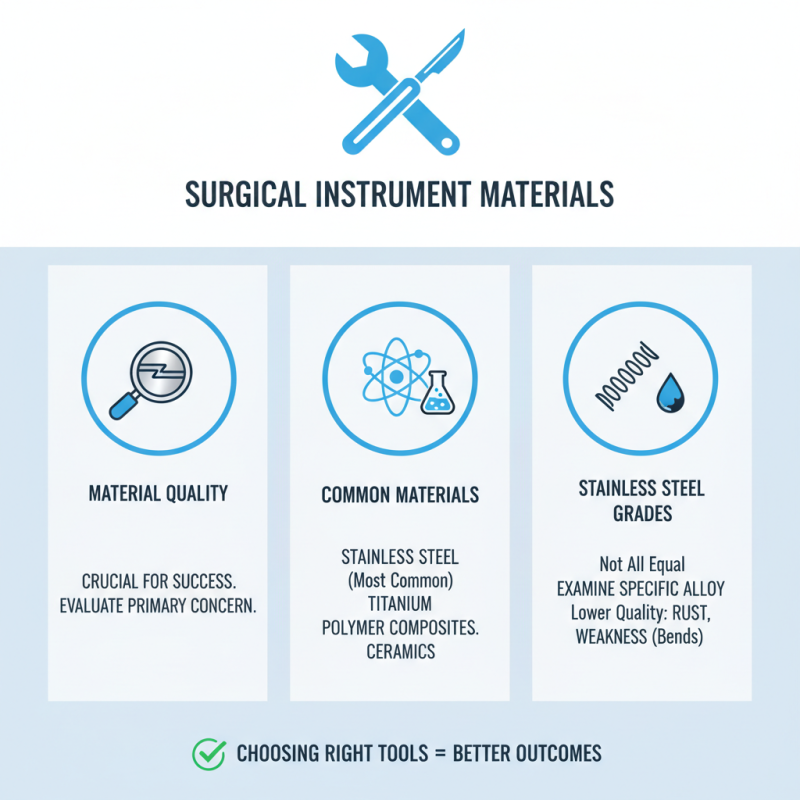
Choosing the right surgical instruments is crucial for successful procedures. Evaluating the material quality of these tools is a primary concern. Different materials serve various purposes, impacting both performance and durability. Stainless steel is the most common choice, but not all grades are equal. It's essential to examine the specific alloy used in the instruments. Lower quality steel can lead to rusting or weak tools that bend under pressure.
Durability is another key factor. Instruments should withstand repeated sterilization cycles without degrading. Some tools may look shiny and new, but they can fail under stress. Inspecting for design flaws is crucial. Even minor imperfections can affect performance during surgery. Pay attention to the finish of the instruments. A rough finish can cause tissue damage. It’s surprising how often this detail is overlooked.
In conclusion, understanding material quality and durability is vital. Surgical instruments must be reliable. Yet, it’s easy to get swayed by appearance. The right choices can make a significant difference in surgical outcomes. Investing time in evaluation is necessary. Always reflect on past purchases and experiences to improve future decisions.
Budgeting and Cost Considerations for Surgical Equipment Purchases
Budgeting for surgical instruments can be daunting, yet it's essential. A report from the Healthcare Financial Management Association revealed that surgical equipment costs can consume up to 30% of a hospital's budget. This statistic highlights the need for careful planning. When evaluating potential purchases, facilities should consider both initial costs and long-term maintenance expenses. Instruments that are durable may require a higher upfront investment. However, they often result in lower overall costs.
It's crucial to compare options and learn from industry data. The Association for the Advancement of Medical Instrumentation states that improper budgeting can lead to overspending by 10-15%. This can compromise patient care and operations. Hospitals need to analyze their unique needs and prioritize accordingly. Engaging clinicians in the process can uncover insights that drive better financial decisions.
While aiming for the best quality, one must not ignore budget constraints. Sometimes, the most expensive instruments are not the most effective for specific procedures. It’s vital to reflect on which tools genuinely enhance surgical outcomes. Balancing quality and cost is often a challenge, yet it’s necessary for sustainable healthcare.