
Choosing a medical device distributor is not a simple price comparison. A hospital may need reliable delivery of imaging equipment, sterile consumables, or replacement parts before a busy clinic opens. The right partner can help keep those shelves stocked. The wrong one can leave a costly machine waiting for a component.
The scale is considerable. The World Health Organization’s 2022 Global Atlas of Medical Devices describes roughly two million types of medical devices, grouped into more than 7,000 generic categories. That breadth makes product knowledge, local service capacity, and transparent sourcing important selection criteria. WHO also emphasizes access as a health-system priority. Its Director-General, Dr. Tedros Adhanom Ghebreyesus, has said: “Health is a human right; everyone should have access to the health services they need, when and where they need them, without suffering financial hardship.” Distribution is only one part of that challenge, but it directly affects whether equipment reaches care settings.
For global buyers, a distributor’s reach should be checked against its actual capabilities: market coverage, technical support, inventory visibility, and experience with the relevant device category. Ask for evidence. Request service-response times, references, and clear escalation contacts—not just a polished catalog. A broad network can look impressive on paper. It may still offer uneven support locally.
This guide compares leading distributors through practical buyer questions, rather than rankings alone. The comparison has limits; regional performance can vary, and no single partner fits every procurement plan. That deserves a closer look.
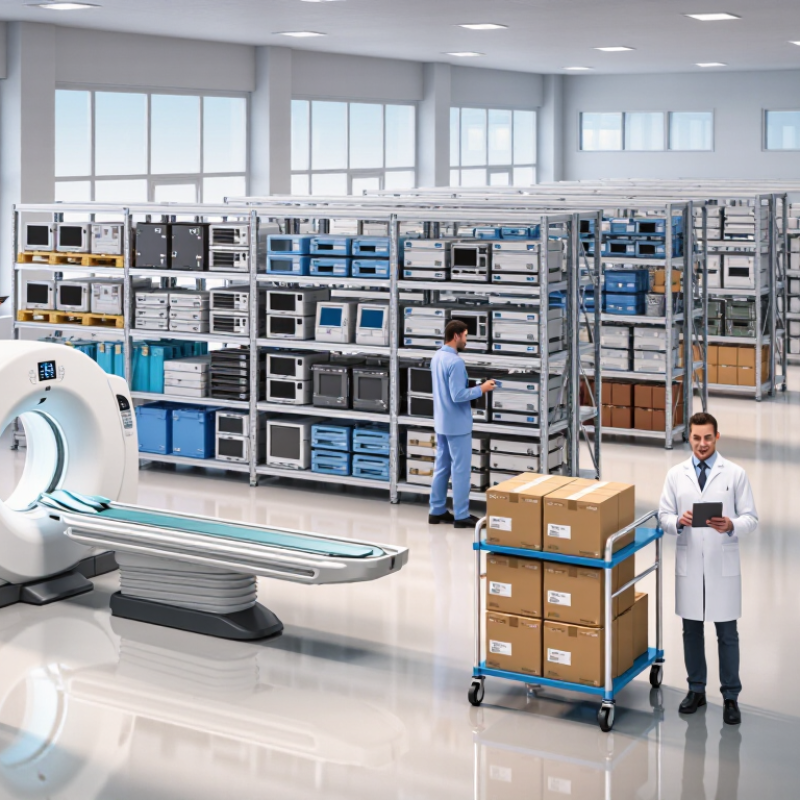
Medical device distributors connect manufacturers, hospitals, clinics, and service teams across borders. Their work goes beyond moving cartons. They coordinate product selection, shipping, customs documents, storage conditions, installation, and staff training. A distributor may also track serial numbers and lot codes, helping clinics identify equipment and arrange maintenance.
Small details matter. A delayed sensor can leave a diagnostic room idle.
The World Health Organization’s 2017 Global Atlas of Medical Devices describes roughly two million types of medical devices, grouped into more than 7,000 generic categories. That range makes local knowledge valuable. Distributors help buyers match equipment to clinical needs, available skills, and maintenance capacity—not just purchase price.
The World Bank’s Logistics Performance Index 2023 also highlights differences in countries’ customs, infrastructure, and shipment reliability. Those gaps can affect delivery schedules and storage planning. Still, a distributor cannot fix every weak link. Buyers should review service coverage, training plans, spare-parts access, and product documentation before placing an order.
Paperwork is not glamorous, but it can prevent avoidable delays. And sometimes, the best answer is to pause and check.
Medical device distribution across borders is a chain of careful handoffs. A device may leave a production site, pass through an export warehouse, and arrive at a regional distributor’s facility. Each step needs clear records, including batch details, shipping documents, and handling instructions. Some products require controlled temperatures, so a simple data logger can help teams spot a problem before delivery. Local registration, labeling, and importer requirements also vary by market. Experienced distributors check these details before a shipment moves, rather than treating paperwork as an afterthought.
Tips: Ask who owns each handoff. Confirm expected delivery times, storage conditions, and escalation contacts. Request traceability records and a clear process for damaged or delayed shipments. Small gaps matter.
The work continues after delivery. Regional teams may train clinic staff, arrange maintenance, source compatible spare parts, and collect service feedback. These tasks can reveal recurring issues, such as confusing instructions or packaging that is difficult to open. In practice, the handoff is not always neat; responsibilities can blur between the exporter and local partner. Buyers should review service coverage and response times in writing. A reliable network is not just a route on a map. It is people, records, and support that remain reachable when plans change.
Medical-device distributors serve very different settings, from operating rooms to patients’ homes. Their portfolios may include imaging systems, diagnostic test equipment, patient monitors, surgical instruments, and mobility aids. The World Health Organization’s Global Atlas of Medical Devices 2022 reports roughly two million device types, grouped into more than 7,000 generic categories. That scale makes product knowledge essential. A hospital buyer may need installation and maintenance support, while a rural clinic may prioritize durable equipment, staff training, and dependable replacement parts.
Markets also shape what distributors need to deliver. OECD’s Health at a Glance 2023 tracks differences in CT and MRI equipment availability across countries, reflecting uneven access to advanced diagnostics. For distributors, this means matching equipment and service capacity to local care settings—not simply shipping the same catalogue everywhere. Home-care providers, laboratories, and acute-care hospitals each have distinct needs for delivery, setup, and technical support. Details matter. Yet distribution can still fall short when staff training or after-sales service is overlooked. A device may arrive on time and remain underused; that is a practical gap buyers should ask about.
WHO member-state counts provide a geographic reference for buyers assessing regional reach. They indicate potential markets—not distributor coverage, sales, or market size.
Distributors may serve these markets across categories such as diagnostic imaging, in-vitro diagnostics, patient monitoring, surgical equipment, and medical consumables. Product availability depends on local registration and regulatory requirements.
Source: World Health Organization regional groupings; counts total 194 member states.
Choosing a medical device distributor requires more than checking its sales territory. Global reach alone is not enough. Ask how it maintains product traceability from receipt to delivery, and whether its records are easy to review. For temperature-sensitive devices, request details about storage conditions, monitoring, and what happens after an excursion. A clear answer matters more than polished claims.
Review the distributor’s quality procedures, staff training, and process for handling complaints, returns, and product alerts. Confirm it can provide current documentation and explain who is responsible at each handoff. Local service capacity also matters: a device may arrive on time, yet support can be slow when a clinic needs troubleshooting. Ask for realistic response times and references from customers with similar needs. Check whether its inventory practices fit your demand, including how it manages stockouts and slow-moving items.
Some details are easy to overlook. Communication across time zones can become a daily friction point. Financial stability and transparent pricing deserve scrutiny, too, although they rarely tell the whole story. A supplier’s evaluation scorecard may look precise, but scoring can hide weak assumptions. Revisit the criteria with clinical, quality, and logistics teams before making a decision.
Use this framework to compare prospective distributors across markets. The suggested weights are an evaluation tool, not a regulatory standard; requirements vary by product and destination country.
| Evaluation criterion | Suggested weight | What to assess | Evidence to request | Potential warning signs |
|---|---|---|---|---|
| Regulatory readiness | 20% | Ability to meet applicable import, registration, licensing, labeling, and post-market obligations in each target market. Responsibilities differ by jurisdiction and product type. | Market-by-market regulatory responsibility matrix; relevant licenses or registrations; documented processes for regulatory changes and product complaints. | Claims that one certificate or registration automatically authorizes sale in every country; unclear allocation of importer or local representative duties. |
| Product and market fit | 15% | Experience with the relevant device categories, intended users, care settings, and purchasing channels in the target markets. | Category-specific sales and service history; customer references where available; product portfolio and channel coverage by country. | Broad claims of expertise without relevant product-category or market evidence. |
| Geographic reach and local capability | 15% | Ability to serve the required countries through established local entities, qualified partners, or clearly managed cross-border operations. | Country coverage list; local operating model; partner oversight process; languages supported; expected delivery and service areas. | Coverage dependent on undisclosed subcontractors or unsupported assumptions about local market access. |
| Quality management and traceability | 15% | Documented controls for supplier qualification, storage, handling, batch or serial-number traceability, complaints, corrective actions, and recalls. ISO 13485 is a quality-management standard used in the medical-device sector; its applicability and certification expectations should be checked for the specific role and market. | Quality-system documentation; applicable certificates and scope; traceability demonstration; complaint, corrective-action, and recall procedures. | Certificate scope does not cover the relevant activities, or the distributor cannot trace supplied units through its records. |
| Storage, transport, and delivery | 15% | Capacity to maintain product-specific storage and transport conditions, manage inventory, and deliver within agreed service levels. Temperature controls should follow the product’s specified requirements where applicable. | Warehouse and transport procedures; temperature-monitoring records where required; inventory controls; delivery performance data; contingency arrangements. | No documented handling controls for products with specific environmental or storage requirements. |
| Commercial transparency | 10% | Clarity of pricing, payment terms, currency exposure, duties, taxes, minimum orders, territory rights, and responsibilities for returns or unsold stock. | Itemized quotation; proposed contract; discount and rebate terms; forecast assumptions; written allocation of import, tax, and returns responsibilities. | Material fees or exclusivity conditions are omitted from the proposal or left undefined in the contract. |
| Training and technical support | 5% | Availability of product training, user support, installation or maintenance services when relevant, and a clear route for escalating technical issues. | Training plan; support hours and languages; service qualifications where required; escalation and response-time commitments. | Support commitments are informal, unavailable in required languages, or lack defined escalation routes. |
| Business continuity and risk management | 5% | Preparedness for supply disruption, cybersecurity incidents involving relevant systems, product recalls, and changes in key personnel or logistics partners. | Business-continuity plan; recall coordination process; critical-partner dependencies; incident notification and recovery procedures. | No documented contingency plans or unclear communication responsibilities during a disruption or recall. |
| Total suggested evaluation weight | 100% | Apply consistent scoring to all candidates and verify claims against documentary evidence and the requirements of each target market. | ||
Assessment note: Regulatory status, certification, and distributor responsibilities are product- and market-specific. Verify current requirements with the relevant authorities or qualified regulatory professionals before placing a device on the market.
Global medical device distributors differ less by size than by the problems they solve. Broad-line distributors supply hospitals with everyday items, such as examination gloves, monitors, and basic diagnostic tools. Their value often lies in consolidated ordering and dependable replenishment. A delayed carton can disrupt a busy ward. That matters.
Specialist distributors focus on equipment requiring deeper technical support. Imaging systems, laboratory analyzers, and surgical devices may need installation, user training, calibration, or scheduled maintenance. Buyers should ask who performs each task and how quickly service staff can reach the site. A product catalog alone reveals little about after-sales capability. Not every market offers the same coverage.
Regional distributors often understand local purchasing routines, language needs, and delivery constraints. Some maintain nearby inventory; others coordinate shipments across several countries. Buyers can compare stock visibility, delivery estimates, spare-parts access, and staff training before choosing a partner. Request clear documentation and verify that product handling matches manufacturer instructions. Requirements vary by market, so confirm applicable procedures with qualified local professionals. Even careful plans can miss small details, such as replacement-part lead times. A trial order may expose those gaps before larger volumes are committed.